 franchisemarket Empowering Your Franchise Journey
Franchising has become a popular business model for entrepreneurs looking to start their own business with the backing of an established brand. It offers a way to be in business for yourself, but not by yourself. This article explores the pros and cons of franchising, helping you determine if it’s the right path for you.
What is Franchising?
Explanation of Franchise Business
Franchising is a business model where a franchisor grants the rights to a franchisee to operate a business under the franchisor’s brand name and system. This relationship typically involves the payment of fees and adherence to certain operational standards.
Types of Franchises
There are various types of franchises, including product distribution franchises, business format franchises, and manufacturing franchises. Each type has its own unique characteristics and advantages.
History and Evolution
The concept of franchising dates back centuries, but it became prominent in the 20th century with the rise of fast-food chains. Over time, franchising has expanded into various industries, from retail to services, offering entrepreneurs a wide array of opportunities.
Pros of Franchise Business
Established Brand Recognition
One of the primary advantages of franchising is the ability to operate under a well-known brand. This recognition can attract customers who are already familiar with the brand, leading to quicker success.
Proven Business Model
Franchisors have already tested and refined their business models, reducing the risks associated with starting a new business. Franchisees benefit from this proven approach, which can lead to higher chances of success.
Support and Training
Franchisees receive extensive training and ongoing support from the franchisor. This assistance can range from initial setup to daily operations, providing valuable guidance for those new to the industry.
Lower Risk Compared to Startups
Starting a business from scratch involves significant risks, but franchising offers a safer alternative. With an established brand, proven systems, and ongoing support, the risk of failure is often lower.
Easier Access to Financing
Lenders are often more willing to finance franchises due to their lower risk profile. The established brand and proven business model make franchises more attractive to banks and other financial institutions.
Collective Buying Power
Franchisees benefit from the collective buying power of the franchise network. This can lead to lower costs for supplies and inventory, boosting profitability.
Marketing and Advertising Support
Franchisees benefit from the franchisor’s national and regional marketing efforts, which can drive traffic and sales without the franchisee having to spend extensively on local advertising.
Cons of Franchise Business
High Initial Investment
Franchises often require a significant upfront investment, which can be a barrier for some potential franchisees. This includes franchise fees, equipment costs, and initial inventory purchases.
Ongoing Royalty Fees
Franchisees are typically required to pay ongoing royalties to the franchisor. These fees can be a percentage of sales or a fixed monthly amount, impacting the franchisee’s profitability.
Limited Operational Control
Franchisees must adhere to the franchisor’s established systems and guidelines, which can limit their ability to make independent decisions or innovate within the business.
Strict Adherence to Corporate Guidelines
Franchisors often impose strict guidelines on how the business should be run. While this ensures consistency across locations, it can be restrictive for franchisees who want more control over their operations.
Potential for Conflict with Franchisor
Disagreements between franchisees and franchisors can arise over various issues, such as marketing strategies or operational guidelines. These conflicts can strain the business relationship and impact the franchise’s success.
Restrictions on Selling or Exiting the Franchise
Franchise agreements often include clauses that limit the franchisee’s ability to sell or exit the franchise. This can complicate the process if the franchisee decides to move on.
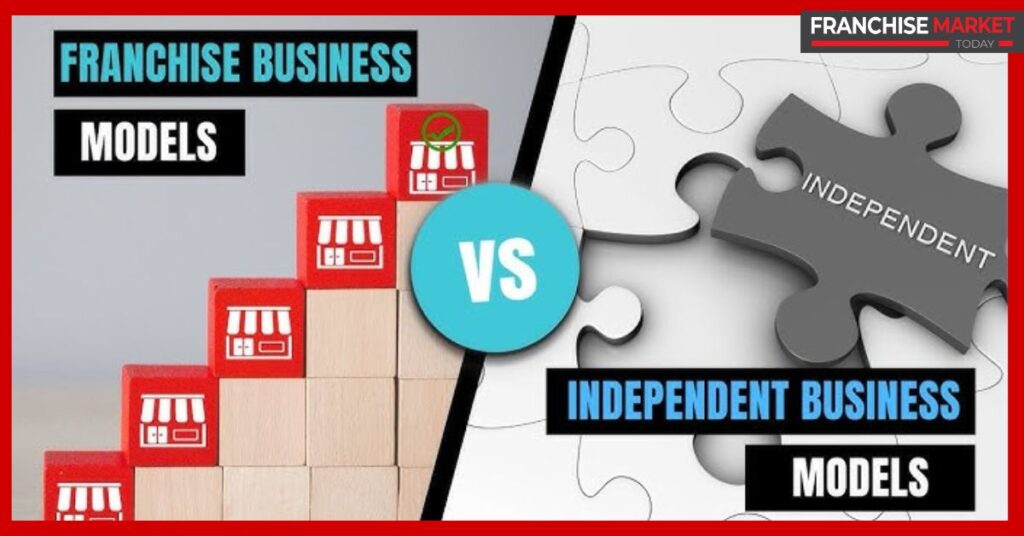
Comparing Franchising to Other Business Models
Independent Business Ownership
Unlike franchising, independent business ownership offers complete control over the business. However, it also comes with higher risks and the need to establish brand recognition from scratch.
Business Partnerships
Business partnerships involve shared ownership and decision-making, which can reduce the burden on any one individual. However, conflicts between partners can arise, potentially leading to business challenges.
Licensing Agreements
Licensing agreements allow businesses to use a brand or technology without the extensive support structure of a franchise. While this offers more flexibility, it also involves greater responsibility for business success.
Case Studies: Successful and Unsuccessful Franchises
Case Study 1: Success Story
Consider the success of McDonald’s, a prime example of a thriving franchise model. McDonald’s has leveraged its brand recognition, consistent product quality, and efficient operations to become one of the world’s leading franchises.
Case Study 2: Lessons from Failure
On the flip side, Quiznos’ rapid expansion led to its downfall. The company’s aggressive growth strategy, coupled with high franchisee costs and market saturation, resulted in widespread franchise closures.
Is Franchising Right for You?
Assessing Your Business Goals
Before considering franchising, evaluate your long-term business goals. Are you looking for a stable, proven business model, or do you prefer the freedom to innovate?
Evaluating Your Financial Situation
Franchising requires a significant financial commitment. Ensure that you have the necessary capital and understand the ongoing costs associated with maintaining a franchise.
Personal Traits Suited for Franchising
Successful franchisees often share certain traits, such as a willingness to follow established systems, strong communication skills, and the ability to work within a structured environment.
Future Trends in Franchising
Growth of E-commerce Franchises
The rise of e-commerce has led to the emergence of online franchises, which offer low overhead costs and the ability to reach a global audience.
Sustainable and Eco-friendly Franchises
As consumers become more environmentally conscious, there is a growing demand for franchises that prioritize sustainability and eco-friendly practices.
Technology and Innovation in Franchising
Advancements in technology, such as AI and automation, are transforming the franchising landscape. Franchisors are leveraging these innovations to improve efficiency and customer experience.
Conclusion: Is Franchising the Right Business Model For You?
Franchising offers a blend of independence and support, making it an attractive option for many aspiring entrepreneurs. However, it’s essential to weigh the pros and cons and consider whether franchising aligns with your personal and financial goals.
FAQs
What is the typical initial investment for a franchise? The initial investment can vary widely depending on the franchise, ranging from a few thousand dollars to over a million dollars.
How do franchise royalties work? Franchise royalties are typically a percentage of gross sales paid to the franchisor, though some franchises charge a flat fee.
Can I sell my franchise? Yes, but selling a franchise often involves following specific procedures outlined in the franchise agreement and obtaining approval from the franchisor.
What happens if a franchise fails? If a franchise fails, the franchisee may lose their investment, and the franchisor may terminate the franchise agreement. However, some franchisors may offer support to help struggling franchisees.
Are there financing options specifically for franchises? Yes, many lenders offer financing options tailored to franchisees, including SBA loans and franchise-specific loans.

